
Besiktas is not just a district in Istanbul;it's a living, breathing entity with a personality as distinct as the Bosphorus tide. Walk down its steep, cobblestone streets and you'll feel it—a mix of salty sea air, the aroma of roasted chestnuts, and the distant echo of a ferry horn. This is a place where history doesn't just sit in museums;it spills onto the pavement, from the ornate facades of 19th-century Ottoman mansions to the modern glass towers that now punctuate the skyline. The juxtaposition is jarring, yet somehow harmonious。much like the city itself.Sports, particularly football, runs through Besiktas's veins like an electric current. The Besiktas J.K. stadium, now the Vodafone Park, stands as a modern colossus on the site of the old İnönü Stadium, a place steeped in legend. I remember standing outside before a derby match, the air thick with tension and the smell of grilled simit. Fans, draped in black and white, chanted with a fervor that seemed to shake the ground. It's not just a game;it's a ritual. The club's history。dating back to 1903, is woven into the district's identity, and the recent success of the football team has only intensified that bond. You don't have to be a fan to feel the pulse, but you can't ignore it.Beyond the stadium's shadow, Besiktas offers a quieter, more textured experience. The markets around Çarşı are a sensory overload—stalls piled high with spices, dried fruits, and fresh fish, their vendors shouting prices in a rapid-fire cadence. I once bought a bag of hazelnuts from an old man who insisted I try one before buying. "From Ordu," he said, nodding at the sack. "Best in the world." Such small interactions define the district. It's a place where tradition and commerce intersect。
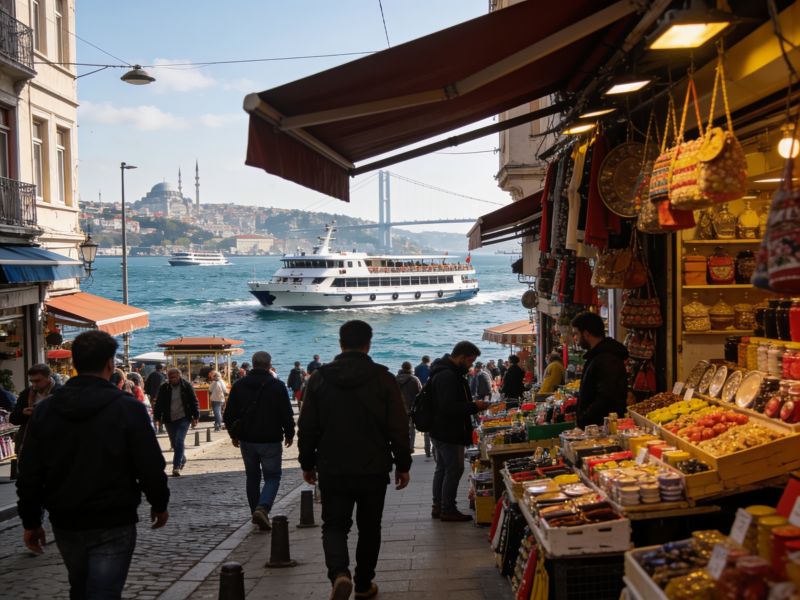
where you can find a centuries-old mosque tucked between a trendy café and a bookstore. The area's role as a transport hub—ferries, buses, and the new metro line—makes it a crossroads, yet it retains a village-like intimacy in its backstreets.One aspect that often goes unnoticed is Besiktas's cultural depth. The district is home to several museums。
including the Istanbul Naval Museum, which houses a remarkable collection of imperial caïques and maritime artifacts. I spent an afternoon there once, wandering among the ornate boats, and was struck by how quiet it was—a stark contrast to the bustling streets outside. Then there's the historic Russian Embassy, a grand building that harks back to a time when empires jostled for influence. These landmarks aren't just tourist attractions;they're layers of a complex past that informs the present. Besiktas doesn't shout its history;it wears it casually, like a well-worn jacket.As Istanbul continues to evolve, Besiktas faces the familiar pressures of gentrification and modernization. New apartment blocks rise, and old shops close, yet the district's spirit remains resilient. The locals—a mix of long-time residents and newcomers—cling to their routines: morning tea at a neighborhood kahvehane, evening strolls along the waterfront. It's this human element that keeps Besiktas authentic. You can build new towers, but you can't manufacture the feeling of community that comes from decades of shared meals, celebrations, and。yes, football matches. Besiktas is a reminder that cities are made of stories, not just structures.