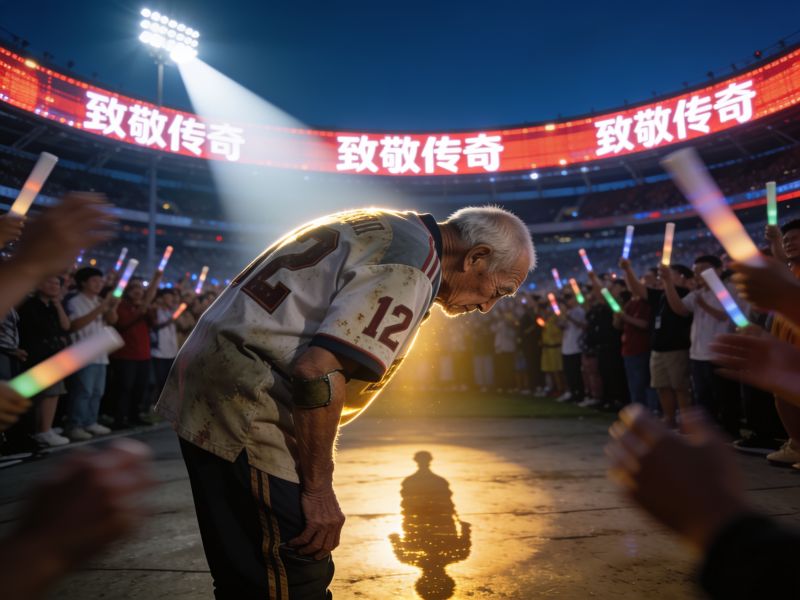
he final whistle had barely cleared the roof when Kim Young-gwon bowed. No sprint for the tunnel, no quick clap of the hands toward the stands. Just a slow fold at the waist, held a beat longer than anyone expected, the way a man does it when he means it. He was thirty-three by then, legs heavy, shirt grey with sweat, and he worked his way around the whole end where the travelling supporters stood. Teammates drifted past him toward the dressing room. He kept going. People who had spent ninety minutes shouting his name went quiet, because a gesture like that lands differently when nothing about it looks rehearsed. There is a photograph of it somewhere。slightly blurred at the edges, and it says more about Korean defending than any tackle he ever made.In Korea, the bow carries a grammar of its own. A slight incline at a greeting, a deeper one at a funeral, a full ninety-degree bend when someone has to carry the weight of a failure in public. Kim Young-gwon bowed in that last register, and it was not difficult to read. He had been the oldest man on the pitch。a centre-back trying to organise a back line that kept getting pulled apart in transition, and when it ended he took the result personally in a way that has become rare. Foreign commentators reach for the word humility. It is closer to accountability — an old idea that whoever wears the years, or the armband, is the one who answers for the scoreline. You do not see much of that now. Players post, players clap, players board the bus.His career gives the gesture some substance. Kazan, 2018 — the scrappy, VAR-approved finish against Germany that broke the world champions in the dying minutes of a group game nobody expected Korea to win. That was the summit. Then came the long stretch in Guangzhou。the money, the trophies, the injuries that never quite healed straight, the slow conversion from a defender who trusted his reading of the game to one who trusted his positioning because his knees no longer permitted anything else. Twice he was written off by people who should have known better, and twice he came back and did the unglamorous work. So when Kim Young-gwon bowed after the last match of a tournament, it read as the closing of a ledger he had been keeping himself, not as a performance staged for the cameras.Not everyone bought it. There were posts, naturally。
the familiar cynical reading that a public bow is damage control dressed in tradition, that footballers learn the choreography as quickly as they learn the press-conference apology. That argument would hold more water if he had done it once. He did it after wins as well, and once, awkwardly, in a half-empty stadium in Asia where barely two hundred people had stayed behind. Kim Young-gwon bowed to that small crowd as though it were a full house, which is either enormous vanity or none at all. I lean toward the second. Athletes are rarely subtle, and a man chasing a headline would have picked a better camera angle than the corner flag.Now he is closer to the end than the beginning. The next wave of Korean defenders is quicker, more technical, more European in its habits, and will probably never bow to a terrace in the rain. Fine — football moves on and sentimentalises the men who leave first. Something still gets lost in the exchange: the notion that a player owes the crowd an explanation, that a result is a debt rather than a statistic to be reposted. The last time I watched him。
Kim Young-gwon bowed again, briefly, into the noise of a stadium that had already half-forgotten the score, and then he walked off without looking back. A decent way to leave. Very few do it that cleanly.